PR agency needs an AI strategy
Client
Barista.ai
DURATION
2 Months
Year
2025
Role
Lead Product designer
I led the project end-to-end, owning UX strategy, information architecture, flows, interaction design, and UX copy. I worked closely with product managers, engineers, founders, and an intern to take the product from concept to an MVP-ready design.

Overview
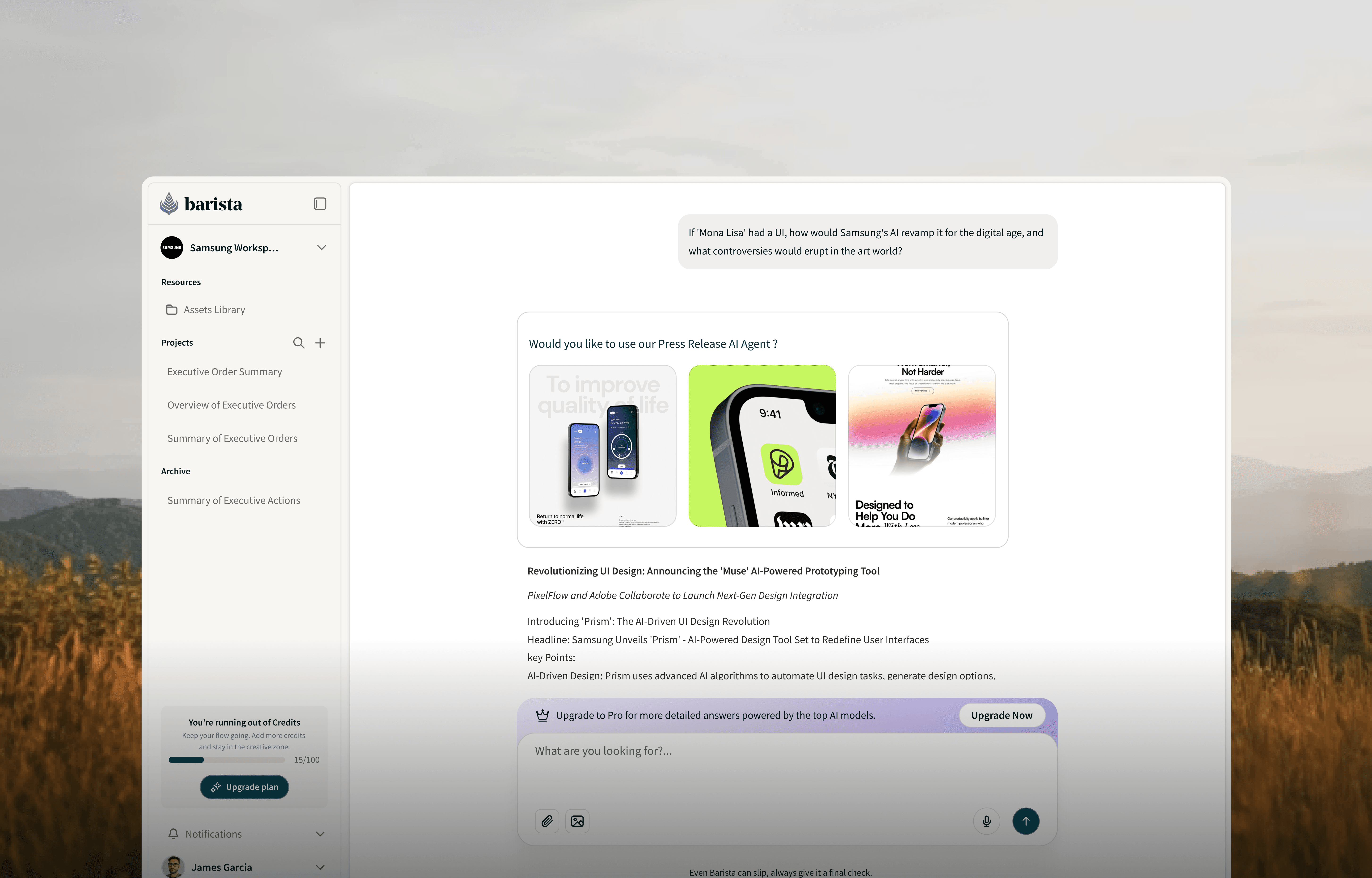
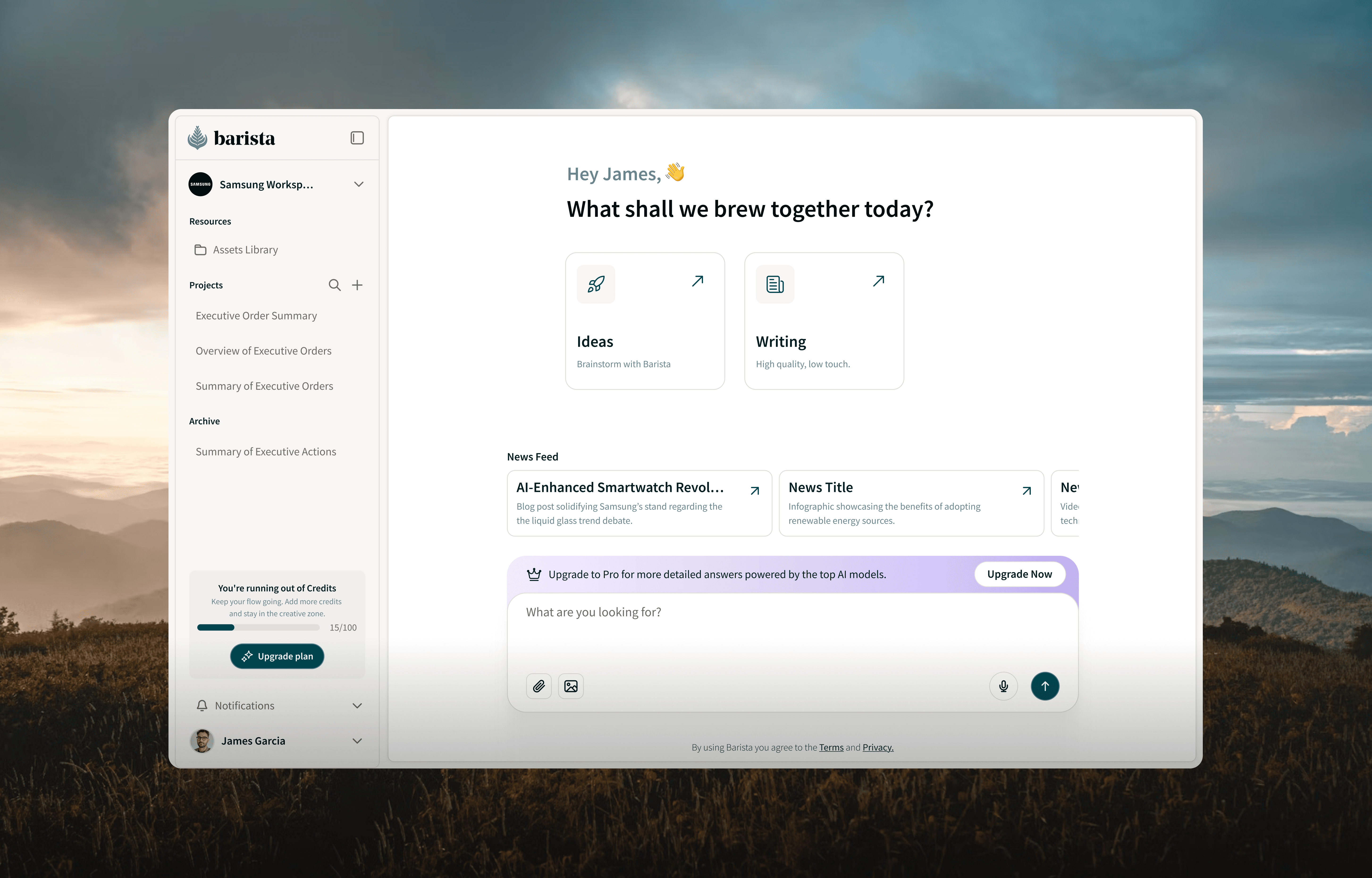
Barista is an AI-powered workspace built for PR agencies to move from pitch to execution without losing context. Most AI writing tools behave like blank chatbots. They’re powerful, but unaware of client strategy, tone, or intent. This project focused on designing an experience where AI feels trained, predictable, and trustworthy, not generic.
Why This Problem Was Worth Solving
PR teams don’t struggle with writing.
They struggle with context.
Every campaign begins with background, who the client is, what the story is, and why it matters. But when teams use AI tools, all of that context disappears. They’re forced to re-explain their work every time, leading to generic outputs and low trust in AI.
The problem wasn’t the intelligence of AI.
It was how poorly the interface supported real work.
Design Insight & Direction
PR teams don’t think in prompts.
They think in briefs, clients, campaigns, and outcomes. Most AI tools expect users to adapt to the tool, to think like machines. This mismatch creates friction and low trust.
Instead of designing a better prompt interface, I reframed the problem:
How might AI understand the work before content is created?
This led to a single guiding principle:
Context before creation.
The product should capture intent early, ask smart questions up front, and make prompting feel optional, not intimidating.
The product should capture intent early, ask smart questions up front, and make prompting feel optional, not intimidating.
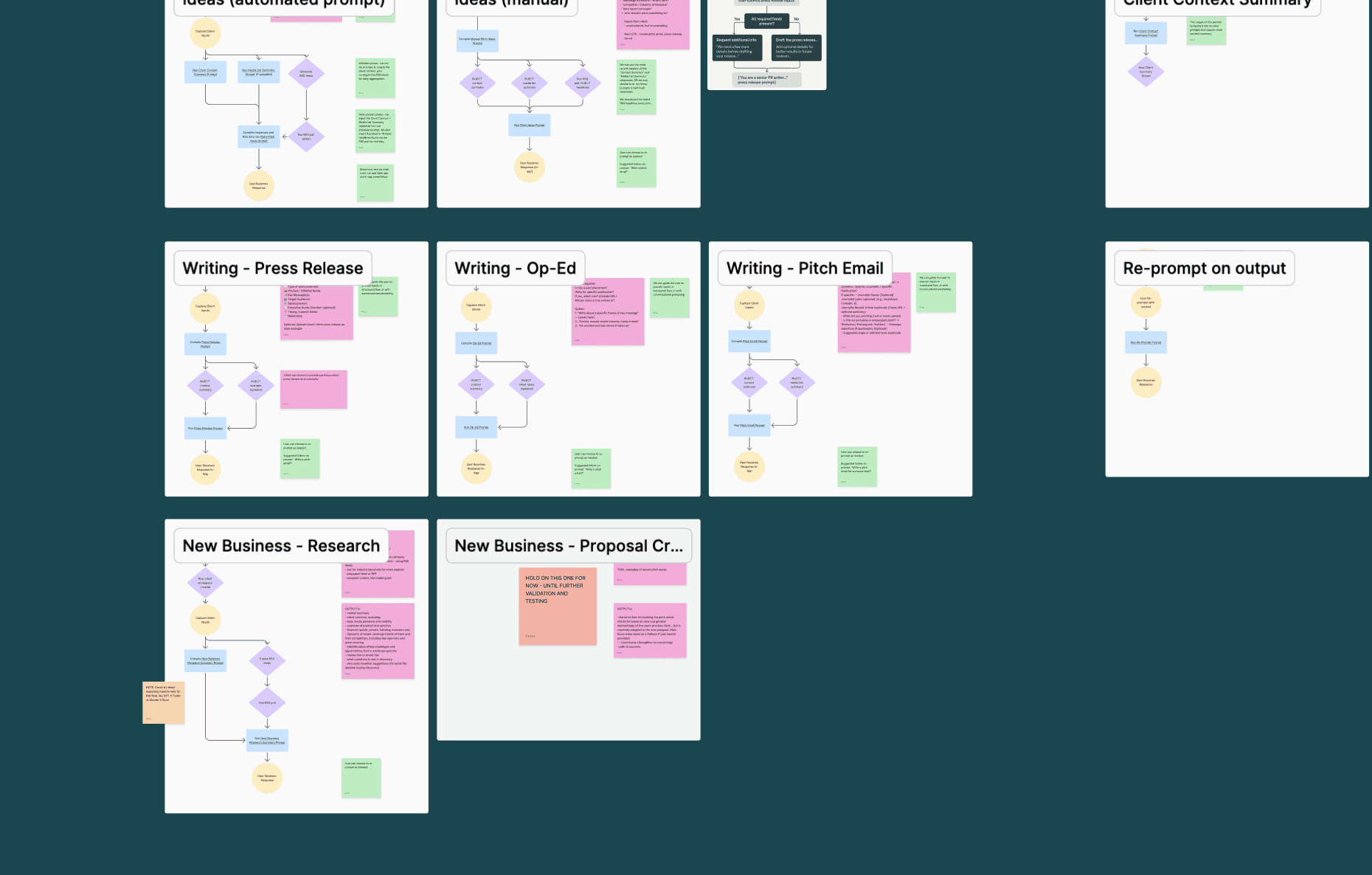
Translating Human Thinking into a System
With the direction set, the challenge was structuring the experience without over-engineering it.
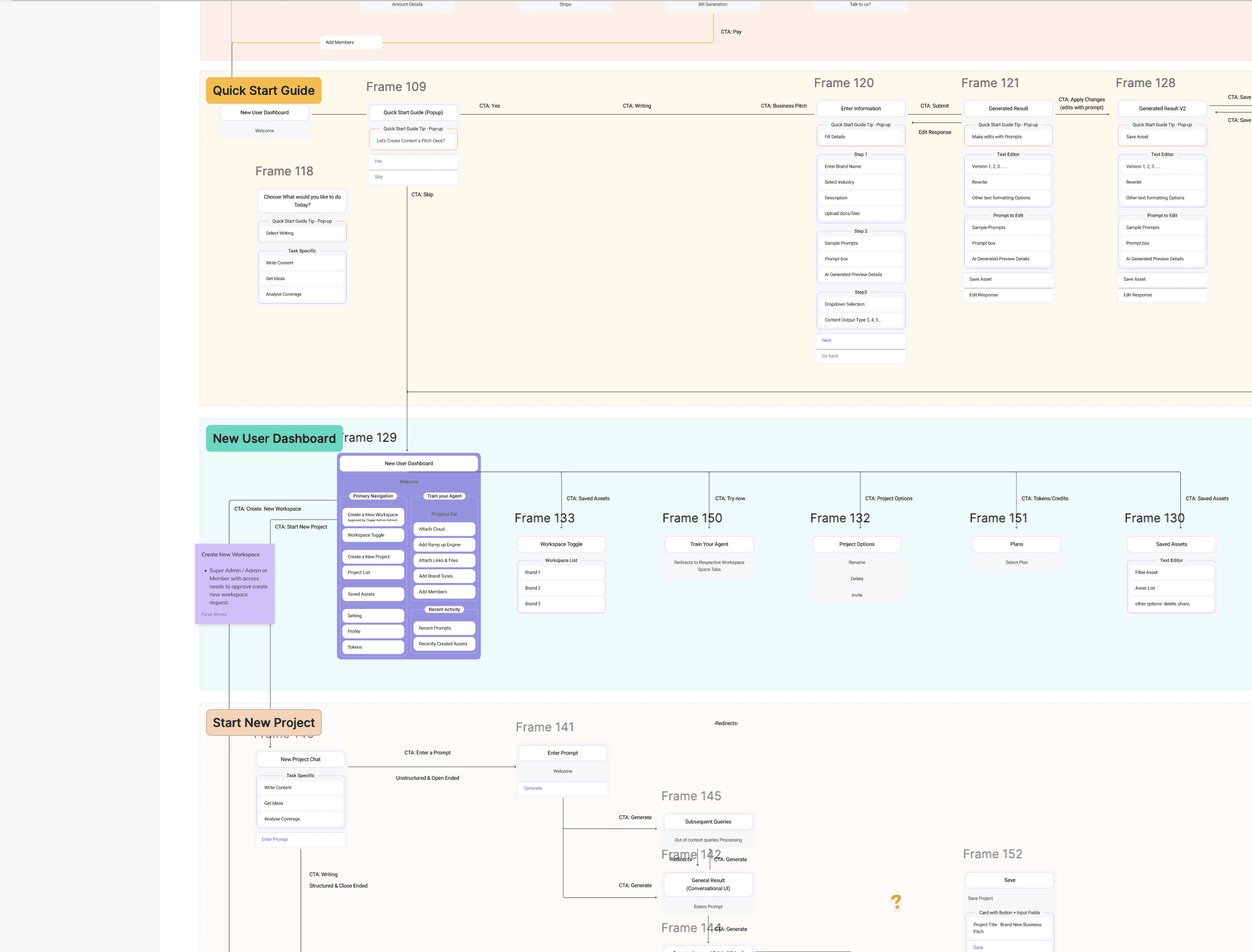
Rather than relying on one heavy setup step, I designed the flow around natural moments in PR work, shaping ideas, setting up work, and iterating.
To balance human thinking with AI constraints, inputs were:
Structured where clarity mattered
Flexible where nuance mattered
This allowed the AI to behave predictably while keeping the experience human and adaptable.
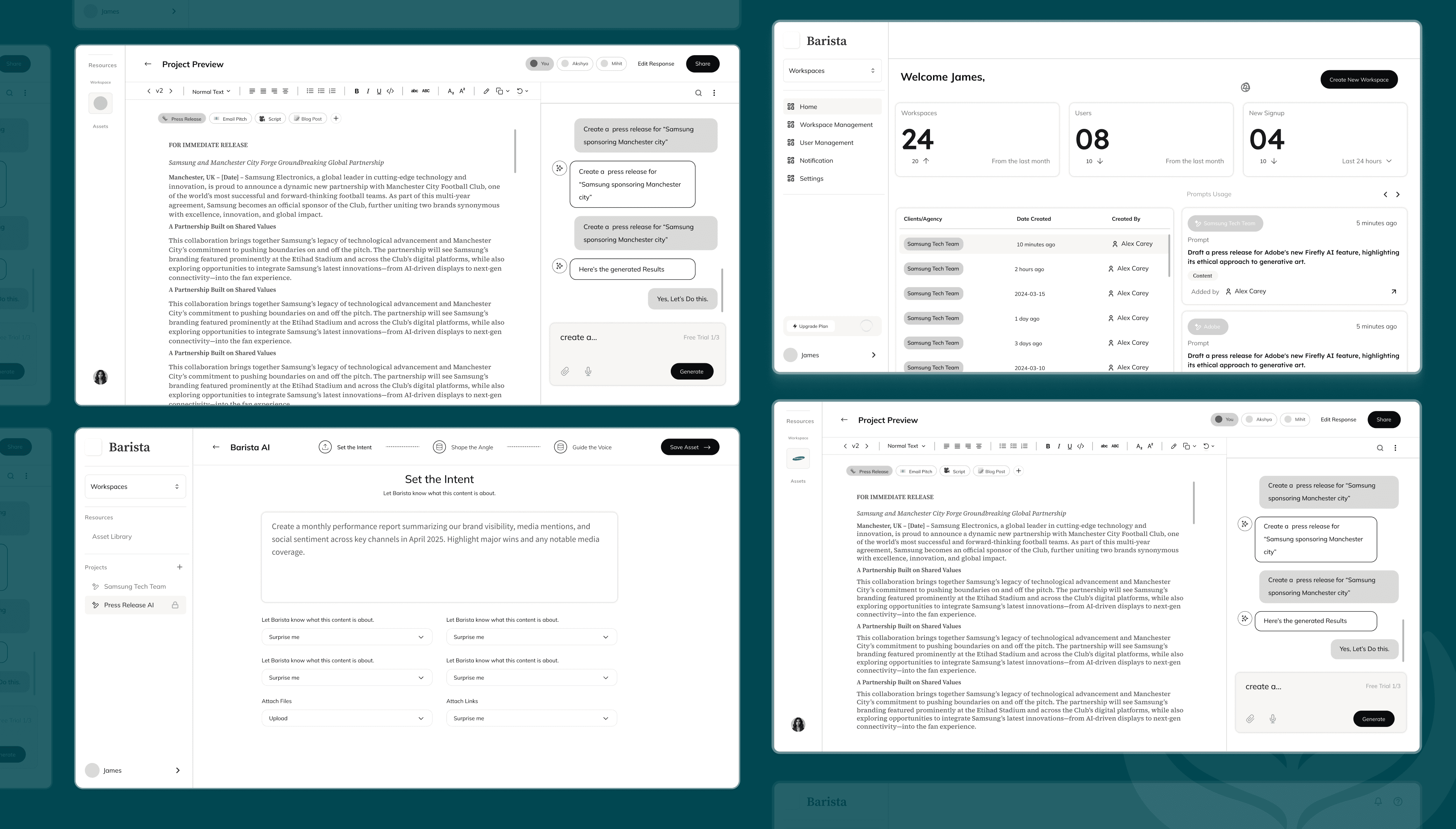
Reducing Anxiety Around Prompting
Empty prompt boxes create pressure.
They signal that users need to “get it right” for AI to work.
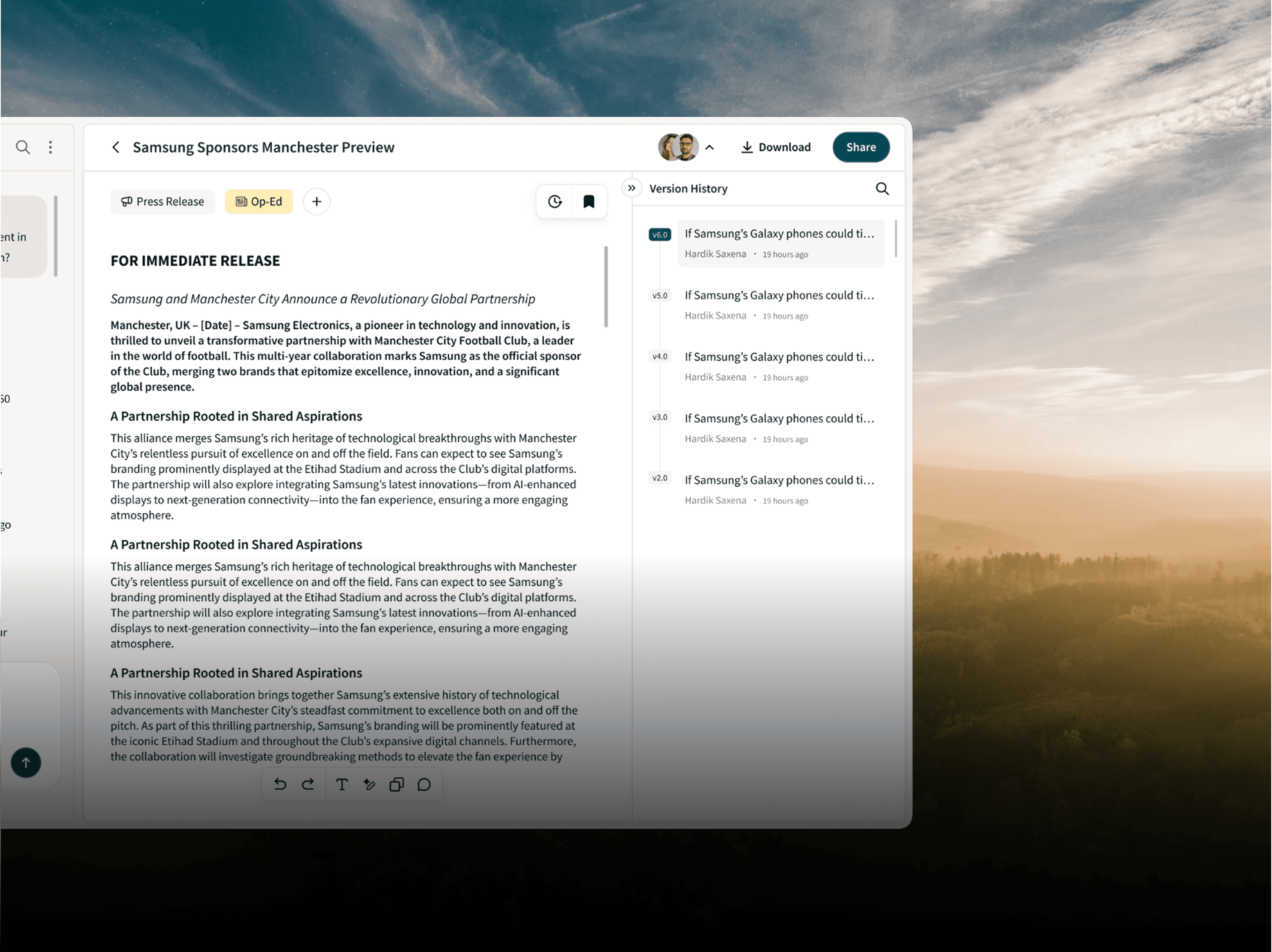
To remove this anxiety, I moved away from a single prompt model and introduced modular thinking blocks, small, editable pieces that represent parts of the thinking. Users can refine ideas without starting over, making AI feel collaborative instead of intimidating.
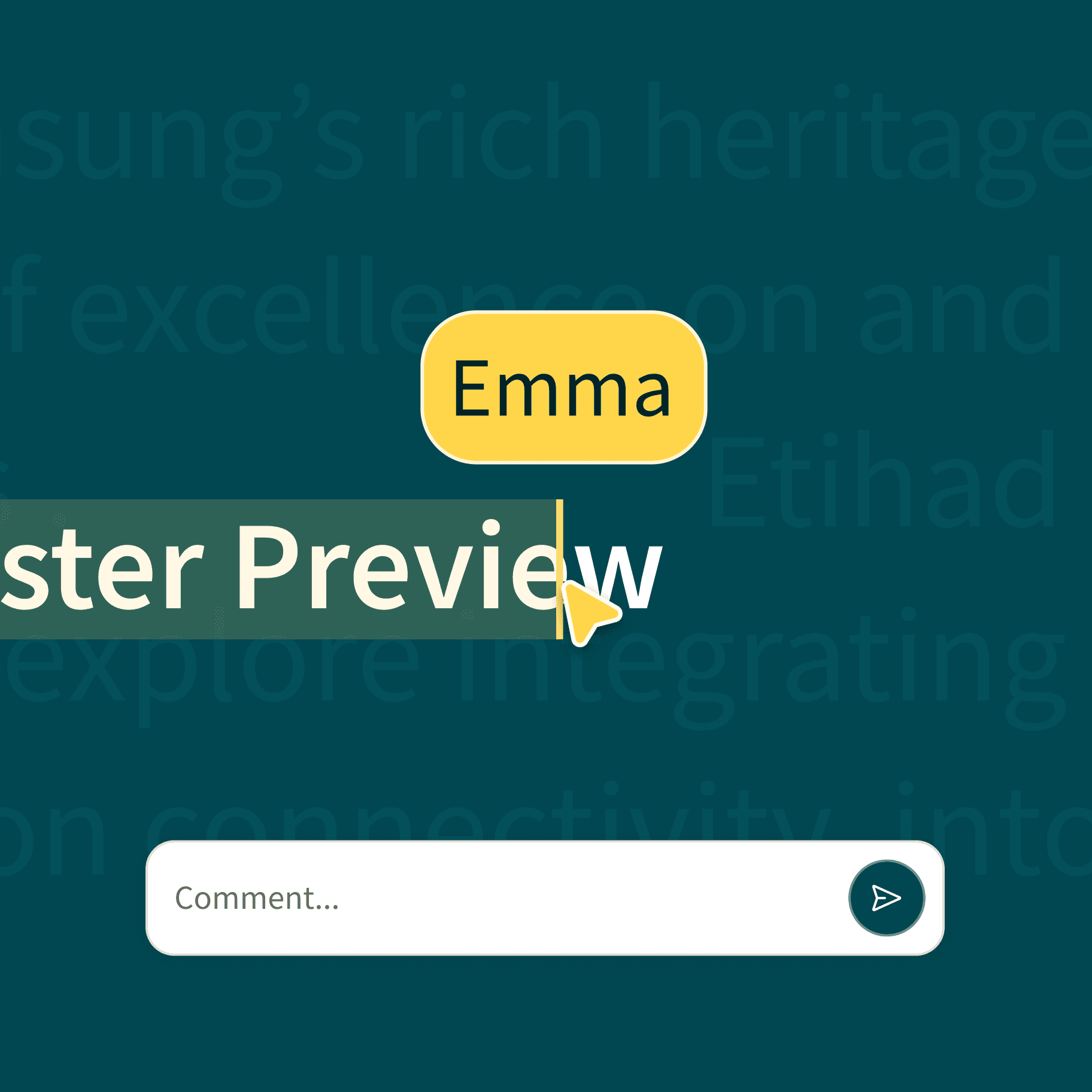
Designing for Different Roles Without Adding Complexity
As the product scaled, not all users needed the same level of control.
Some users focused on creation.
Others managed access, clients, and structure.
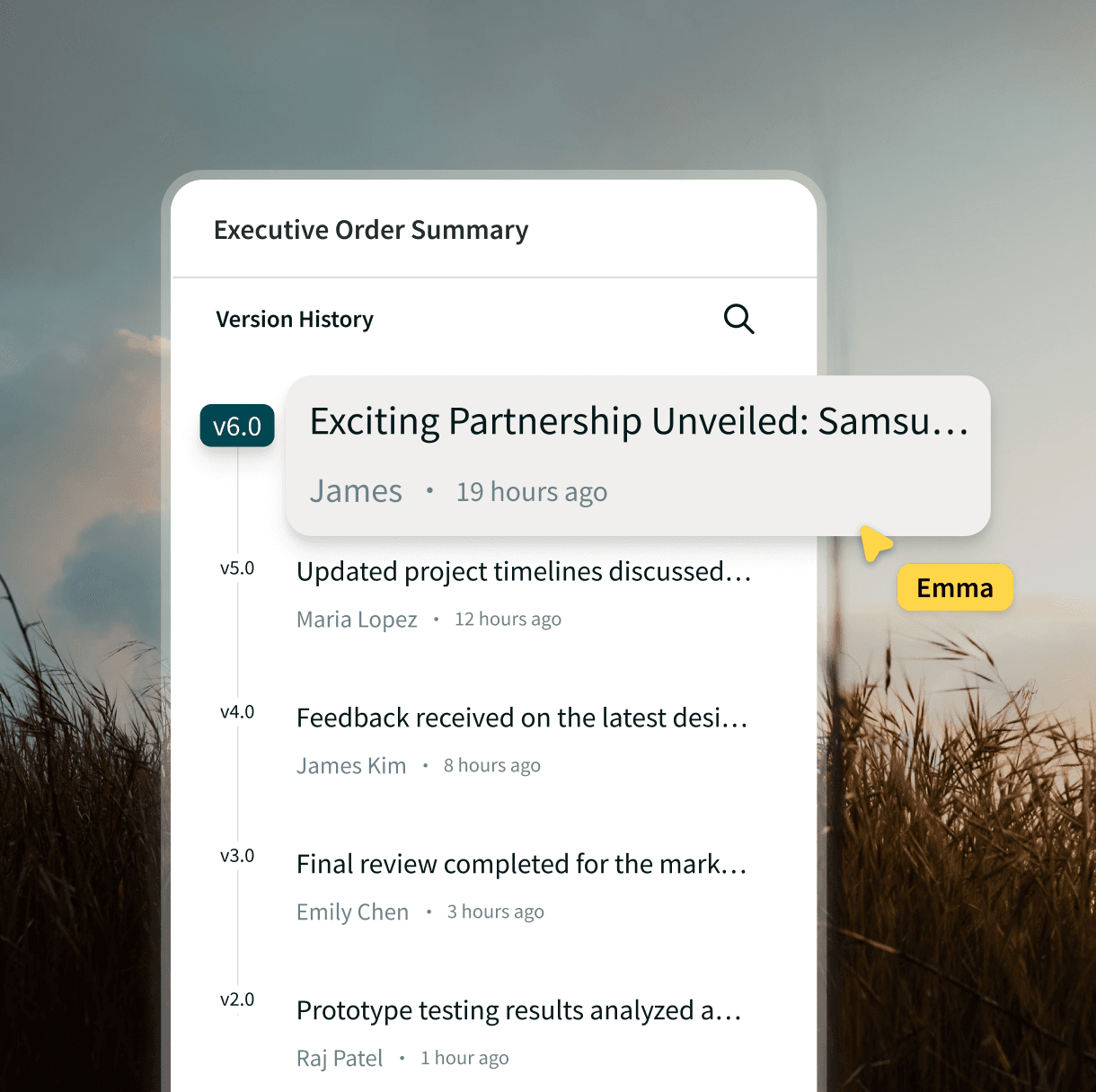
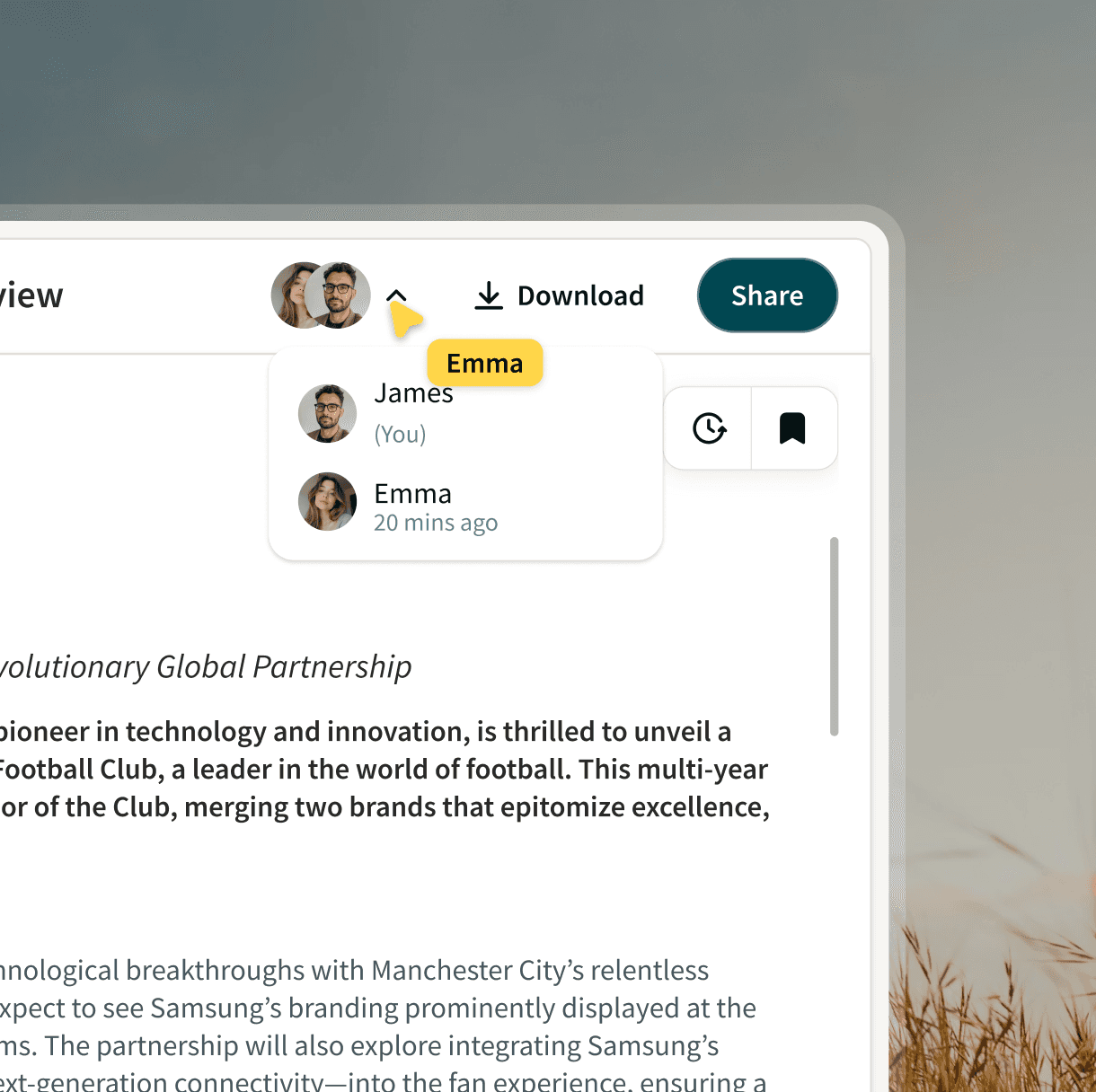
Rather than adding complexity everywhere, I designed role-aware experiences. Admin tools were clearly separated and visible only to the users who needed them, keeping creative workflows clean and focused.
Design System
Barista’s design system was built to support complex, context-heavy workflows without adding visual noise.
The goal was clarity over decoration; a system that stays calm as the product scales, and helps users focus on thinking rather than interface mechanics.
Visual Language
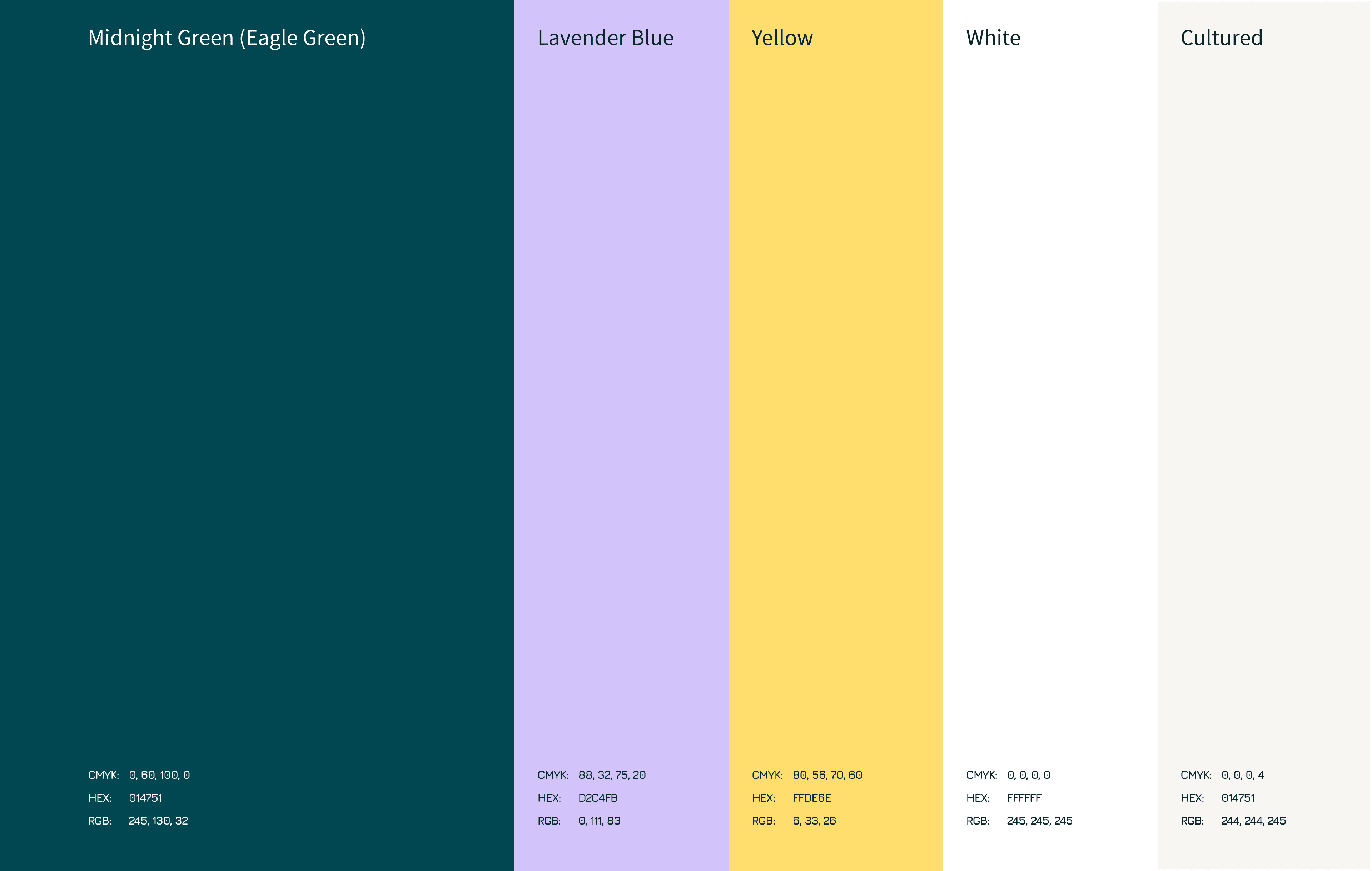
A restrained color palette keeps attention on the work, using accent colors only where guidance or state change is needed. The interface feels composed, confident, and professional; never loud.
Typography
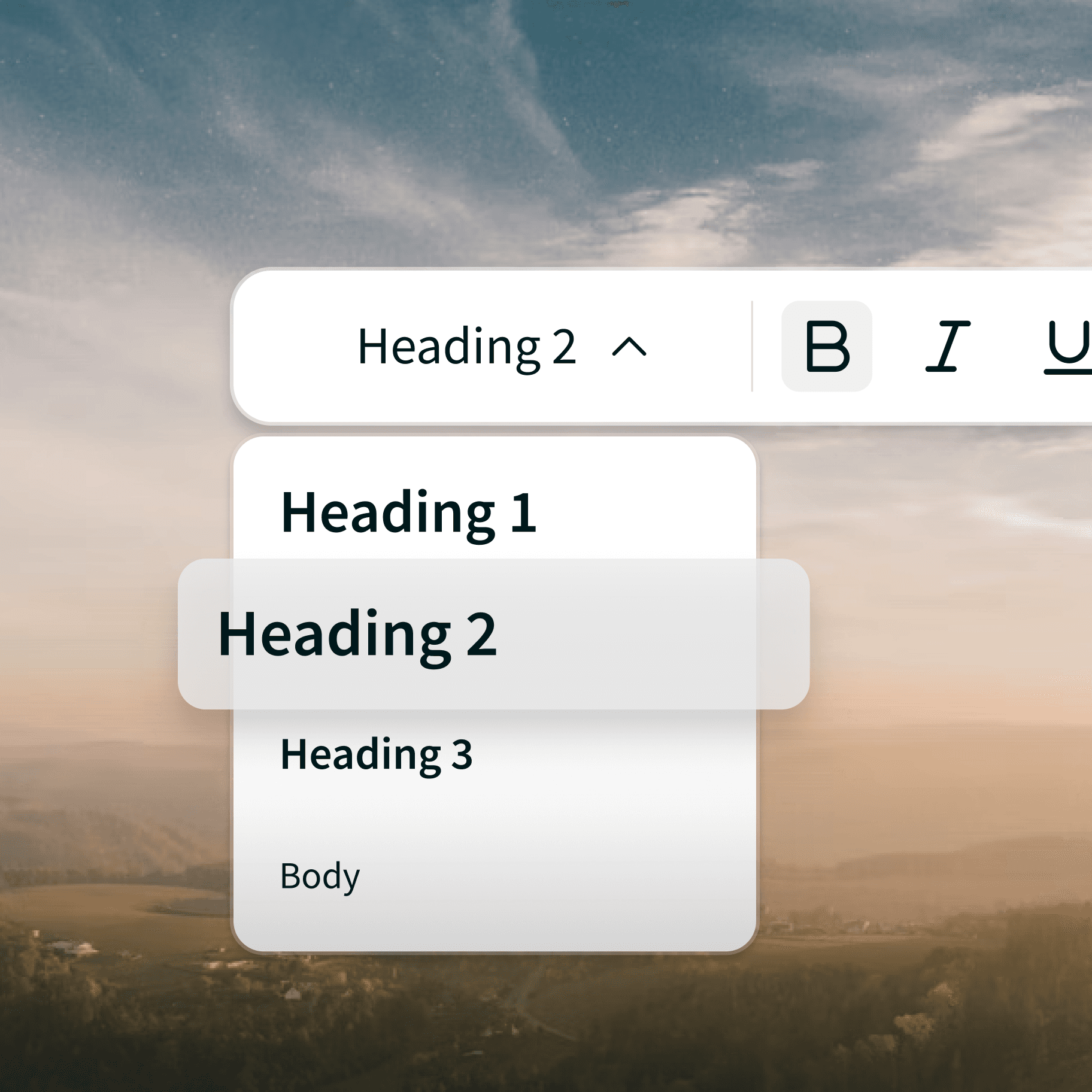
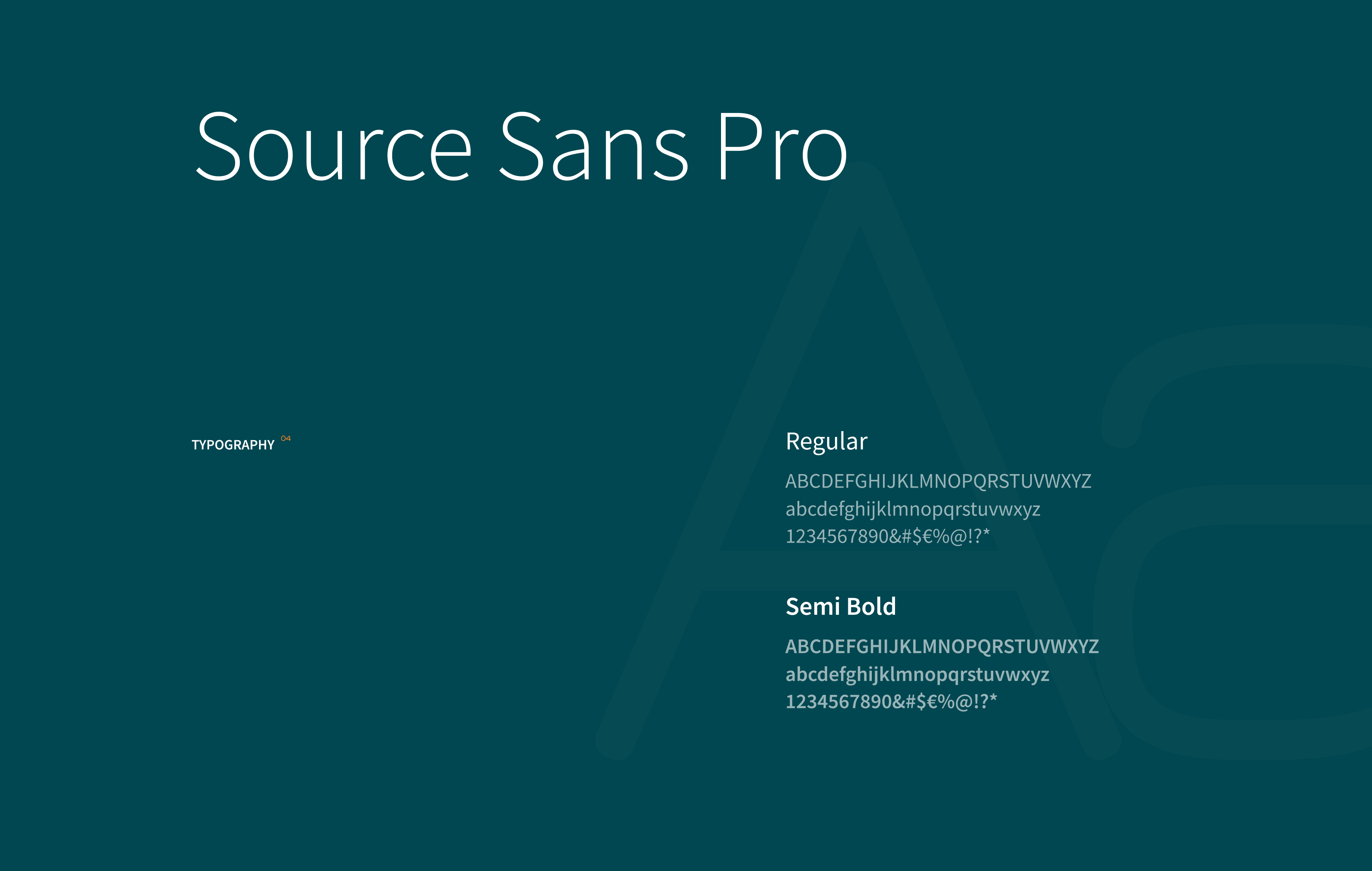
Typography is designed for clarity at scale. Clear hierarchy separates intent, context, and output, making long-form reading and scanning effortless across AI-driven workflows.
Layout & Grid
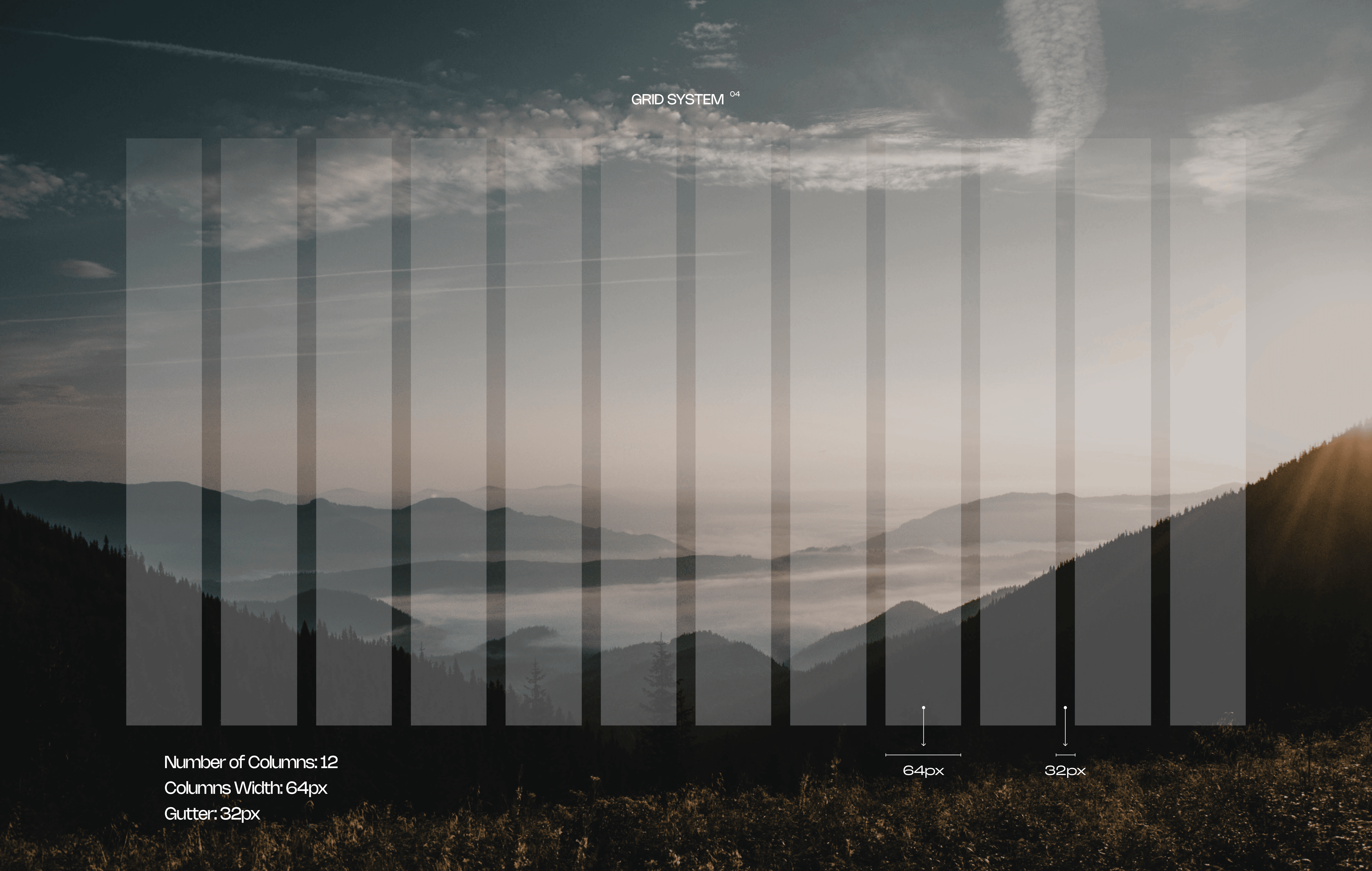
A consistent grid and spacing system creates predictability across screens while allowing flexibility where depth is required. This helps maintain structure without feeling rigid.
Components
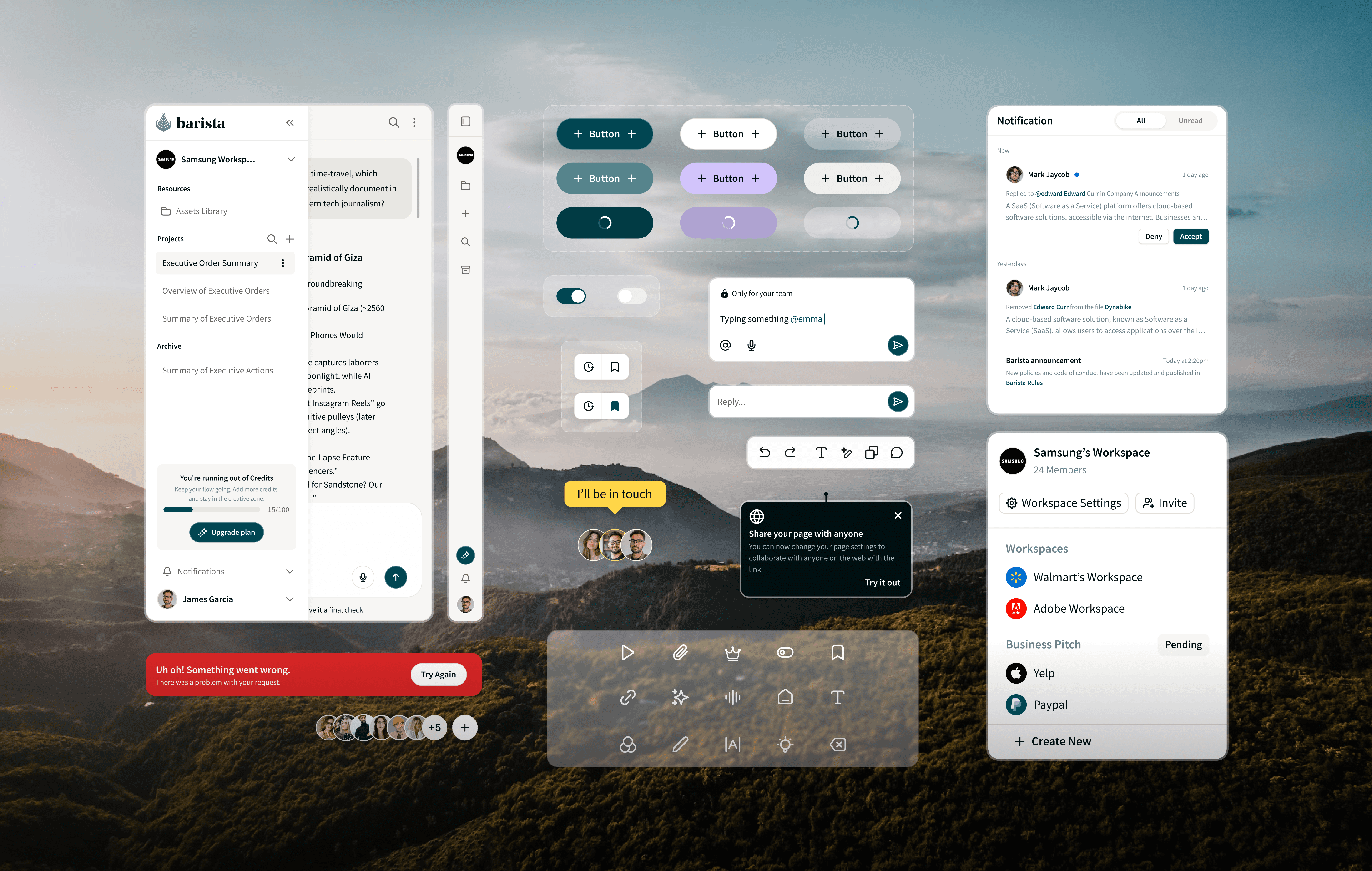
Reusable components and standardized states ensure consistency across pitches, workspaces, and admin views; supporting faster iteration and clean handoff to engineering.
The result: a scalable system that feels focused, cohesive, and built to last.
Outcome
Clear mental model: Brief → Context → Create
Reduced setup friction for first-time users
Strong differentiation from generic AI writing tools
Scalable foundation for multi-client PR teams
Key Learning
Good AI UX isn’t about more intelligence.
It’s about designing clarity, trust, and flow around intelligence.
Barista works when users forget they’re “prompting” and feel like they’re simply working, while the AI keeps up.